


Best Makeup Remover for Oily Skin: How to Choose the Right Product for Your Skin
<>If you have <>oily or acne-prone skin with enlarged pores<>, you may think that removing makeup requires strong products to completely get rid of oil and makeup. However, using a harsh makeup remover or excessively drying out your skin can make your skincare routine more irritating and uncomfortable.
<>Choosing the <>best makeup remover for oily skin<> is not only about how effectively it removes makeup. The right product should also cleanse the skin without leaving an unpleasant greasy residue or causing excessive dryness and irritation.
<>In this guide, we will explain how to choose the right makeup remover for oily skin, the differences between the main types of makeup removers, and how to use them as part of your daily skincare routine.
Why Does Oily Skin Need a Makeup Remover?
Even if you wear light makeup, several layers can build up on your skin throughout the day, including:
- Foundation and concealer.
- Sunscreen.
- Setting powder.
- Blush and bronzer.
- Waterproof makeup products.
- Natural oils and sebum produced by the skin.
Leaving these products on your skin for long periods can make cleansing more difficult. That is why <>removing makeup is an important step before cleansing your face<>.
However, it is important to understand the difference between makeup removal and facial cleansing. A makeup remover helps break down and remove makeup and sunscreen, while a facial cleanser is used afterward to remove remaining dirt, oil, and impurities.
How to Choose the Best Makeup Remover for Oily Skin
There are several factors to consider when choosing a makeup remover.
1. Choose a Formula Suitable for Oily Skin
If you do not like a greasy feeling on your skin, choose a lightweight formula that is easy to remove.
Some available options include:
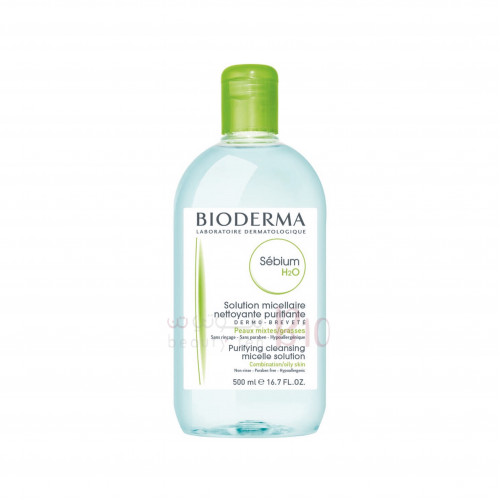
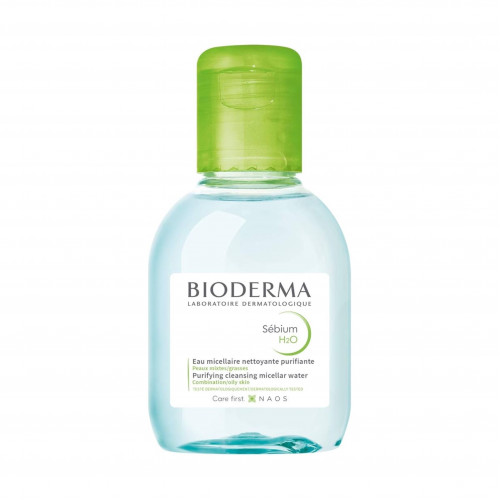
- Micellar water.
- Water-based makeup removers.
- Cleansing balms.
- Lightweight cleansing oils.
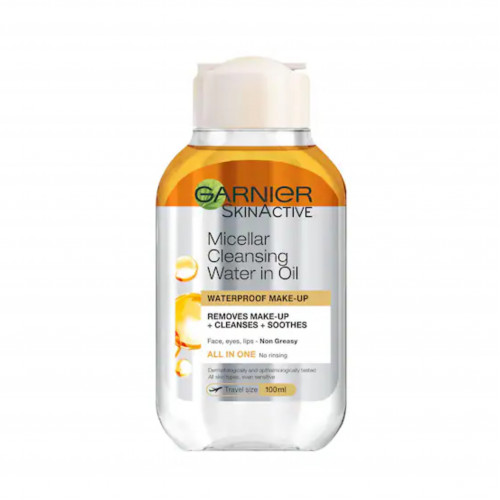
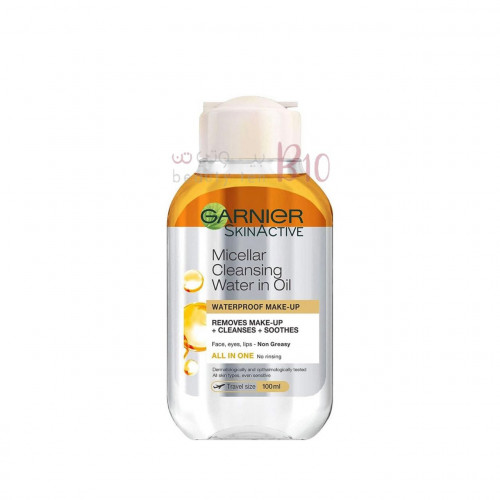
- Bi-phase makeup removers.
Just because a product contains oil does not necessarily mean that it is unsuitable for oily skin. What matters is <>the formula, how you use it, and how well it works with your skin<>.
2. If You Have Acne-Prone Skin, Pay Attention to the Formula
Oily skin can also be prone to clogged pores and breakouts.
If this is your main concern, look for a makeup remover designed for acne-prone skin. It is also preferable to choose products that do not leave a heavy layer on the skin after cleansing.
Do not use a makeup remover specifically to treat acne unless the product is formulated for that purpose. Its primary function is to remove makeup and other cosmetic products.
3. Choose a Gentle Product
One common mistake is assuming that oily skin needs an extremely strong cleanser.
However, excessively stripping the skin of its natural oils or rubbing it too hard can lead to dryness and irritation.
Instead, look for a product that can effectively remove makeup <>while keeping your skin comfortable<>.
Best Types of Makeup Removers for Oily Skin
There is no single type that works best for everyone. Here are some of the main options:
? Micellar Water for Oily Skin
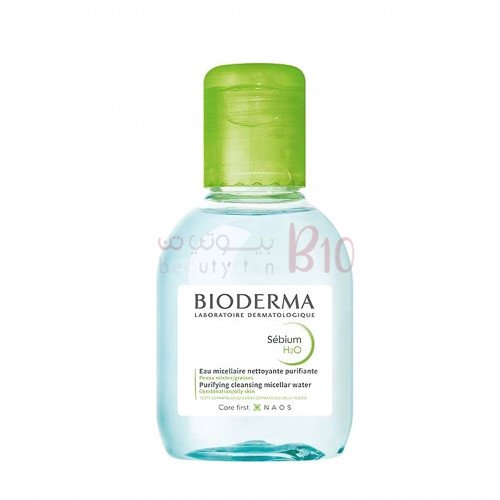
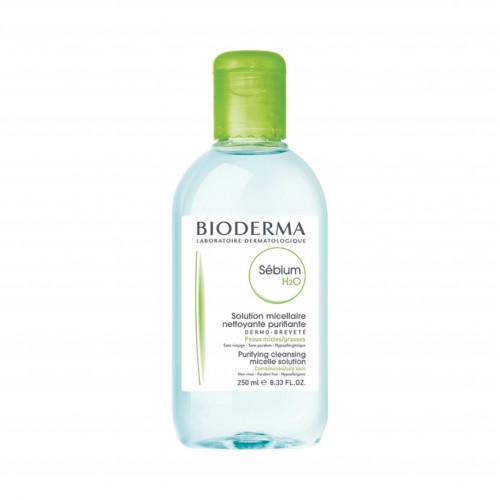
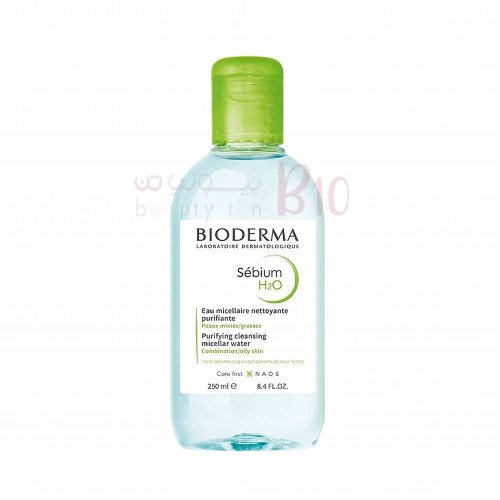
Micellar water is a practical option for removing makeup, especially light everyday makeup.
It may be suitable for those who prefer:
- A lightweight, water-like texture.
- A fresh, non-greasy feeling on the skin.
- Quick makeup removal.
- A simple skincare routine.
However, when removing heavy or waterproof makeup, you may need an additional cleansing step.
? Cleansing Oil for Oily Skin
Using oil on oily skin may seem counterintuitive, but cleansing oils can be useful for breaking down makeup and sunscreen.
The basic idea is that oil helps dissolve cosmetic products that can be difficult to remove with water alone.
When using a suitable cleansing oil, massage it gently onto the skin and then add water according to the product's instructions so that it emulsifies. Afterward, rinse your face thoroughly.
Important: Do not leave cleansing oil on your skin without rinsing it, especially if you dislike a greasy feeling.
? Cleansing Balm
A cleansing balm works similarly to a cleansing oil, but it usually has a more solid texture that melts into an oil when massaged into the skin.
It can be a suitable option for removing:
- Heavy makeup.
- Foundation.
- Sunscreen.
- Waterproof makeup.
It can also be particularly useful for those who prefer <>double cleansing<> at night.
? Bi-Phase Makeup Remover
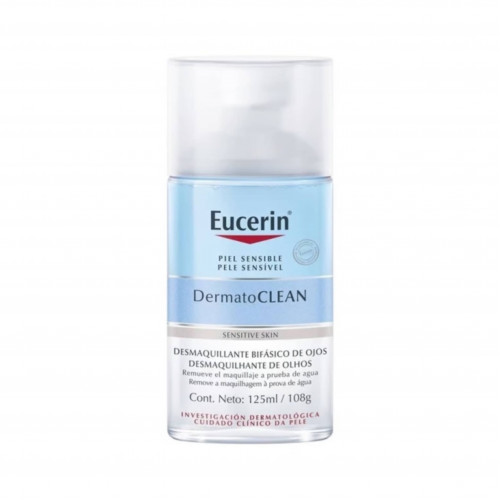
This type of makeup remover usually contains two phases, one water-based and one oil-based, and needs to be shaken before use.
It can be particularly helpful for removing difficult makeup, including:
- Mascara.
- Eyeliner.
- Long-lasting lipstick.
- Waterproof makeup.
Use it gently around the eye area and avoid rubbing your eyes aggressively.
Best Makeup Remover for Oily Skin and Enlarged Pores
If you have oily skin and <>enlarged pores<>, you do not need to look for a product that claims to permanently "close" your pores.
Pores are a natural part of the skin and cannot be permanently closed.
However, you can improve the overall appearance of your skin by:
- Removing makeup properly.
- Cleansing your skin regularly.
- Choosing products suitable for your skin type.
- Avoiding excessive buildup of heavy products.
- Avoiding aggressive scrubbing.
Choosing a lightweight and comfortable makeup remover can make your cleansing routine easier, especially when used daily.
Best Makeup Remover for Oily and Acne-Prone Skin
If your skin is oily and prone to breakouts, focus on <>gentle cleansing rather than harshly drying out your skin.
You can choose a makeup remover that:
✔️ Is suitable for acne-prone skin.
✔️ Does not leave a heavy or uncomfortable residue.
✔️ Is easy to rinse off.
✔️ Does not irritate your skin.
✔️ Works well with the other skincare products you use.
It is also important to wash your makeup tools regularly, as brushes and sponges can accumulate makeup residue and oil.
Is an Oil-Based Makeup Remover Suitable for Oily Skin?
Yes, <>it can be suitable.
The idea that oily skin cannot use oil-based products is not generally accurate.
Cleansing oils and balms are specifically designed to break down products such as makeup and sunscreen before being rinsed away.
However, if you notice that a particular product causes clogged pores, breakouts, or irritation, stop using it and look for another formula that works better for your skin.
Is Micellar Water Better Than Cleansing Oil?
There is no single winner that is best for everyone.
<>Micellar water<> can be practical for light makeup and quick makeup removal, while a <>cleansing oil or balm<> may be more suitable for heavy makeup and sunscreen.
Choose based on your routine:
| <>Your Needs | <>Suitable Option |
|---|---|
| <>Light makeup | <>Micellar water |
| <>Everyday makeup | <>Micellar water or a lightweight makeup remover |
| <>Heavy makeup | <>Cleansing oil or balm |
| <>Waterproof makeup | <>Bi-phase remover or cleansing oil/balm |
| <>Sunscreen + makeup | <>Cleansing oil or balm followed by a suitable cleanser |
What Is Double Cleansing for Oily Skin?
<>Double cleansing<> means using two cleansing steps. It often starts with an oil-based cleanser or cleansing balm to remove makeup and sunscreen, followed by a water-based cleanser suitable for your skin type.
<>A simple evening routine could look like this:
<>Step 1:<> Makeup remover or cleansing oil/balm.
<>⬇️
<>Step 2:<> Cleanser suitable for oily skin.
<>⬇️
<>Step 3:<> Toner or serum based on your skin's needs.
<>⬇️
<>Step 4:<> Lightweight moisturizer.
<>However, double cleansing is not necessary every night for everyone. If your routine is simple and you wear light makeup, one appropriate cleansing method may be enough depending on the products you use.
Mistakes to Avoid When Removing Makeup
❌ Rubbing Your Skin Too Hard
<>Especially around the eyes. Makeup removal requires a suitable product and enough time, not aggressive or repeated rubbing.
❌ Sleeping With Makeup On
<>Even if your makeup is light, it is better to remove it before going to bed.
❌ Using Only Makeup Wipes
<>Makeup wipes can be useful as a first step in some situations, but they do not necessarily mean that your skin has been thoroughly cleansed.
❌ Using Harsh Soap
<>The goal is not to remove every trace of oil from your skin, but to cleanse it in a balanced way.
❌ Ignoring Sunscreen
<>Sunscreen is an important part of daily skincare, so it should also be considered when choosing your makeup removal method at night.
How to Use Makeup Remover for Oily Skin
<>For the best results, always follow the instructions provided by the manufacturer. In general, you can follow these steps:
- <>Apply an appropriate amount of makeup remover.
- <>Gently massage it over your face.
- <>Focus on areas with more makeup.
- <>When removing eye makeup, avoid rubbing aggressively.
- <>Rinse the product thoroughly if the formula requires rinsing.
- <>Follow with a facial cleanser suitable for your skin.
- <>Continue with your evening skincare routine.
<>If the product is specifically designed to be used without rinsing, follow the manufacturer's instructions.
How to Choose a Makeup Remover Based on Your Oily Skin Type
? Oily Skin
<>Choose a lightweight formula that does not leave an unpleasant greasy feeling.
? Oily and Dry Skin
<>Avoid extremely drying products and choose a gentle cleanser that keeps your skin comfortable.
? Oily and Sensitive Skin
<>Choose a gentle formula and avoid products that you already know cause irritation.
? Oily and Acne-Prone Skin
<>Look for a formula suitable for acne-prone skin, and do not leave the product on your skin longer than recommended.
How Do You Know if a Makeup Remover Is Right for Your Skin?
<>The best way to evaluate a product is to pay attention to how your skin feels after using it.
<>If the product:
<>✔️ Removes makeup easily.
<>✔️ Does not require aggressive rubbing.
<>✔️ Does not leave an uncomfortable residue.
<>✔️ Does not cause noticeable dryness or tightness.
<>✔️ Does not cause irritation or new skin problems.
<>Then it may be a good fit for your routine.
<>However, if you experience persistent burning or irritation, or notice that the product does not work well for your skin, it is better to stop using it and try another formula.
Conclusion: What Is the Best Makeup Remover for Oily Skin?
<>The best makeup remover for oily skin is not necessarily the strongest product. It is the one that effectively removes makeup and sunscreen without leaving your skin feeling excessively dry, irritated, or greasy.
<>You can choose between <>micellar water, cleansing oil, cleansing balm, or a bi-phase makeup remover<> depending on how much makeup you wear and the types of products you use.
<>If your skin is oily and prone to breakouts or enlarged pores, focus on choosing a formula that suits your skin type and use it gently. Follow it with a suitable cleanser when necessary.
<>This way, cleansing becomes an effective part of your oily-skin care routine rather than another source of dryness and irritation.

Leave a Comment