
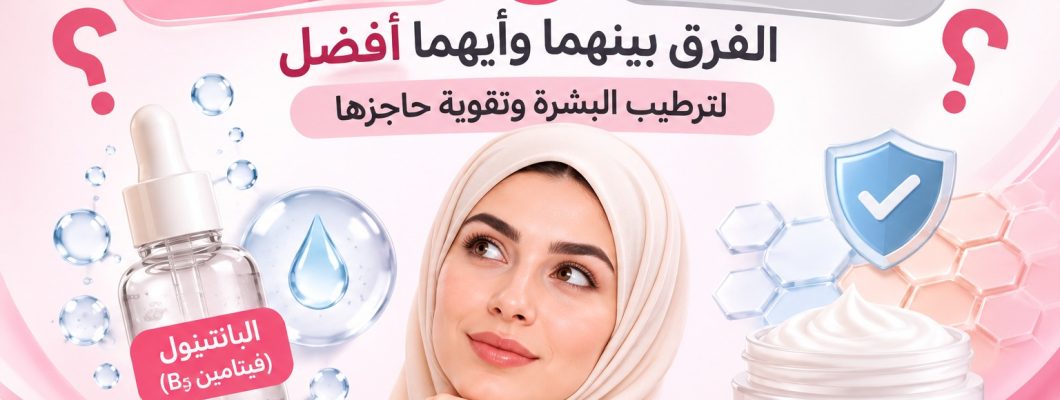
Panthenol vs Ceramide: What's the Difference and Which Is Better for Skin Hydration and Barrier Support?
When choosing a moisturizer or skincare serum, you may find yourself deciding between ingredients such as Panthenol and Ceramides, especially if your skin is dry, sensitive, or struggling with a weakened skin barrier.
Both ingredients are widely used in skincare products, but they do not work in exactly the same way. Panthenol helps attract moisture and improve skin hydration, while ceramides are essential lipids that help maintain the skin barrier and reduce moisture loss.
So, which one is better for your skin? And do you really need to choose just one, or can you use panthenol and ceramides together for more complete skincare?
In this Beauty Ten guide, we'll explain the differences between these two ingredients, their individual benefits, and when to choose panthenol or ceramides based on your skin type and needs.
What Is Panthenol?
Panthenol, also known as Pro-Vitamin B5, is a popular skincare ingredient primarily used to help hydrate the skin and support its natural barrier.
Panthenol works as a humectant, meaning it helps attract and retain water in the outer layers of the skin. This helps improve skin hydration, soften its texture, and reduce feelings of dryness and tightness.
Key Benefits of Panthenol for Skin
Boosts Hydration: Helps attract moisture and improve skin hydration.
Supports the Skin Barrier: Helps support the skin's natural barrier function and reduce moisture loss.
Improves Skin Texture: Helps leave skin feeling softer and more supple.
Suitable for Dry and Sensitive Skin: Can be a useful ingredient in skincare routines focused on hydration and reducing dryness.
Supports Skincare After Active Ingredients: Can be included in moisturizing routines when using retinol or exfoliating products, provided the skin tolerates the formula.
Want to learn more about this ingredient? Read our guide: Panthenol for Skin: Benefits, Uses, and How to Add It to Your Routine.
What Are Ceramides?
Ceramides are a type of lipid naturally found in the outermost layer of the skin. They play an important role in maintaining the skin barrier.
Think of the skin barrier as a wall made of skin cells surrounded by lipids that help hold everything together. Ceramides are an essential part of these lipids, helping maintain the structure of the skin barrier and prevent excessive moisture loss.
When the skin becomes dry or its natural barrier function is compromised, using moisturizers containing ceramides can help support the skin barrier.
Key Benefits of Ceramides for Skin
Support the Skin Barrier: Help maintain the structure and integrity of the outer skin layer.
Reduce Moisture Loss: Help minimize transepidermal water loss when included in a suitable moisturizing formula.
Care for Dry Skin: Commonly used in skincare products designed for dry skin that needs barrier support.
Improve Skin Texture: Help leave the skin feeling softer and more comfortable.
Support Sensitive Skin: Can be beneficial in a simple skincare routine focused on barrier support and reducing dryness.
Panthenol vs Ceramide: What's the Difference?
Although both panthenol and ceramides are used in moisturizing and skin barrier-supporting products, each ingredient has a different primary function.
| Comparison | Panthenol | Ceramides |
|---|---|---|
| Ingredient Type | Pro-Vitamin B5 | Lipids naturally found in the skin |
| Main Function | Attracts moisture and improves hydration | Supports the skin barrier |
| How It Works | Helps the skin retain moisture | Helps maintain the protective lipid layer |
| Main Benefits | Hydration, softness, and barrier support | Barrier support and reduced moisture loss |
| Common Product Types | Serums, creams, and lotions | Moisturizers and creams |
| Best For | Those looking for hydration and care for dry skin | Those who need skin barrier support and help managing dryness |
The bottom line: Panthenol primarily focuses on improving skin hydration, while ceramides help support the skin's lipid barrier. This means they can complement each other rather than compete as alternatives.
Which Is Better for Dry Skin: Panthenol or Ceramide?
If your skin feels dry, tight, or rough, you may benefit from both ingredients. However, the best choice depends on the type of dryness and what your skin needs.
When Should You Choose Panthenol?
Panthenol may be a suitable choice if you:
Experience dry or tight skin.
Want an ingredient that helps improve skin hydration.
Are looking to add a hydrating serum or moisturizer to your routine.
Use active ingredients such as retinol that may cause dryness and need additional hydration support.
When Should You Choose Ceramides?
Ceramides may be a better option if you:
Experience persistent dryness or rough skin.
Feel that your skin loses moisture quickly.
Want a moisturizer that supports the skin barrier.
Need a cream containing barrier-supporting ingredients as part of your skincare routine.
If dryness is accompanied by noticeable irritation, cracking, or persistent itching, do not rely on cosmetic products alone. Consider consulting a dermatologist when needed.
Panthenol vs Ceramide for Sensitive Skin
Sensitive skin needs a gentle routine that helps maintain hydration and support its natural barrier without introducing ingredients that may cause irritation.
Panthenol can be a suitable ingredient in moisturizing formulas that help improve hydration and reduce feelings of dryness.
Ceramides, on the other hand, help support the skin barrier, which is especially important when the skin is prone to dryness and moisture loss.
Which One Should You Choose?
If your main goal is hydration and improving skin texture, a product containing panthenol may be a good option.
If you want to support your skin barrier and reduce moisture loss, look for a moisturizer containing ceramides.
If your skin needs both, choose a formula that combines the two ingredients.
For more tips on caring for sensitive skin, read our article: Panthenol for Sensitive Skin: Benefits and How to Use It.
Can You Use Panthenol and Ceramides Together?
Yes! Panthenol and ceramides can be used together in the same skincare routine. There is no need to separate them simply because they have different functions.
In fact, combining them may be beneficial because each ingredient supports the skin in a different way:
Panthenol helps attract moisture and improve hydration.
Ceramides support the skin barrier and help reduce moisture loss.
You can choose a moisturizer that contains both ingredients or apply a panthenol serum followed by a ceramide moisturizer.
How to Use Them in Your Skincare Routine
Morning Routine:
Cleanse your face with a gentle cleanser.
Apply a panthenol serum if it is part of your routine.
Follow with a ceramide moisturizer.
Finish with a broad-spectrum sunscreen with SPF 30 or higher.
Evening Routine:
Gently cleanse your skin.
Apply a panthenol serum.
Follow with a ceramide cream to help support the skin barrier and maintain hydration.
These steps are suggestions, not strict requirements. If your moisturizer already contains both panthenol and ceramides, you may not need a separate serum.
Is Panthenol or Ceramide Better After Retinol and Exfoliation?
When using retinol or exfoliating products, you may experience dryness, flaking, or tightness, especially if you use them too frequently or combine several active ingredients.
In this situation, panthenol may help improve hydration and support the skin barrier, while ceramides help maintain the protective lipid layer and reduce moisture loss.
For this reason, a moisturizer containing both panthenol and ceramides may be a useful addition to a simple skincare routine.
However, remember that these ingredients cannot necessarily prevent all side effects associated with retinol or exfoliation. If noticeable irritation occurs, reduce the frequency of active ingredients or temporarily stop using them as needed. Consult a skincare professional if symptoms persist.
Read also: Panthenol After Peeling and Retinol: How It Helps Soothe Skin and Support the Skin Barrier.
How to Choose the Right Product for Your Skin Type
Choosing a moisturizer should not depend on whether it contains panthenol or ceramides alone. You should also consider the complete formula and product texture.
Here are some helpful tips:
For Oily Skin: Choose lightweight textures such as gel creams or lotions with suitable hydrating ingredients.
For Dry Skin: A richer cream containing ceramides and humectants such as panthenol and glycerin may be a good option.
For Sensitive Skin: Choose gentle formulas, preferably fragrance-free if your skin is sensitive to fragrance.
For Combination Skin: You can use a lightweight moisturizer on oilier areas and a richer cream on dry areas as needed.
For Retinol Users: Choose a moisturizer that supports hydration and the skin barrier, and avoid adding several active products at the same time.
Remember to patch-test any new product on a small area of skin and monitor your skin's response before adding it fully to your routine.
Frequently Asked Questions About Panthenol and Ceramides
Is Panthenol Better Than Ceramide?
Neither ingredient is universally better. Panthenol helps attract moisture and improve hydration, while ceramides help support the skin barrier. The right choice depends on your skin's needs.
Do Ceramides Hydrate the Skin?
Yes. Ceramides help support the skin barrier and reduce moisture loss, making them important ingredients in moisturizers formulated for dry skin.
Does Panthenol Strengthen the Skin Barrier?
Panthenol helps improve skin hydration and supports the skin barrier function. This is why it is commonly included in creams and skincare products designed for dry and sensitive skin.
Can You Use a Cream Containing Both Panthenol and Ceramides Every Day?
Many products containing both ingredients can be used daily, depending on the manufacturer's instructions and how well your skin tolerates the formula.
Are Panthenol and Ceramides Suitable for Oily Skin?
Yes. Both ingredients can be suitable for oily skin. However, it is important to choose a lightweight formula that does not feel heavy, while also considering the product's other ingredients.
Can You Use Ceramides with Retinol?
Yes. A moisturizer containing ceramides can be included in a retinol skincare routine to help support the skin barrier and reduce feelings of dryness. Always use retinol according to the product instructions and avoid overuse.
Which Ingredient Is Best for Skin Affected by Dryness?
Skin may benefit from a formula combining humectants such as panthenol and glycerin with barrier-supporting ingredients such as ceramides. The best choice depends on your skin's condition and how well it tolerates the product.
Final Verdict: Should You Choose Panthenol or Ceramide?
If you are looking for an ingredient that helps attract moisture and improve skin hydration, panthenol may be a suitable choice.
If your main goal is to support the skin barrier and reduce moisture loss, ceramides can be an important addition to your skincare routine.
However, you do not always have to choose between them. Combining panthenol and ceramides may provide more complete skincare by supporting both hydration and the skin barrier.
Explore skincare products at Beauty Ten and choose formulas that match your skin's needs.


Leave a Comment