
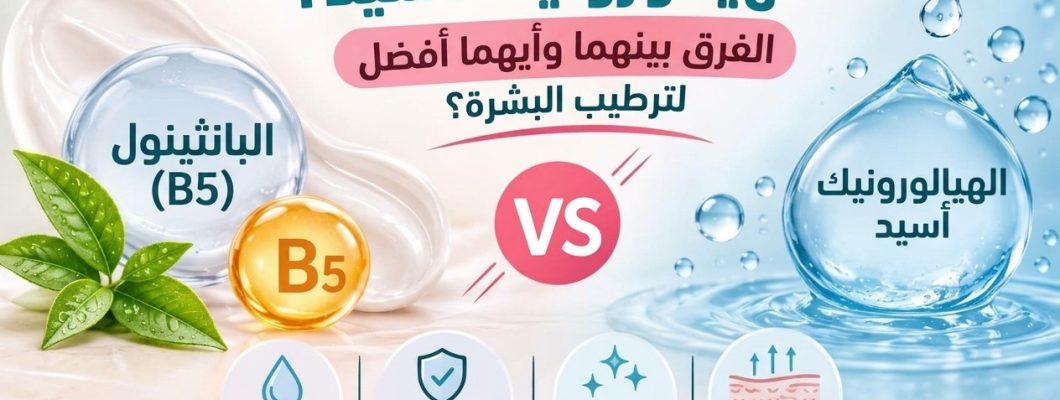
Panthenol vs. Hyaluronic Acid: What's the Difference and Which Is Better for Skin Hydration?
Are you confused about whether to choose panthenol or hyaluronic acid when selecting skincare products? Both are popular ingredients in skincare formulations and are widely used to improve skin hydration. However, they do not work in exactly the same way.
While hyaluronic acid is known for its ability to attract and retain water, panthenol helps moisturize the outer layer of the skin and supports the skin barrier function.
Therefore, the answer to the question, "Which is better?" depends on your skin's needs, its current condition, and the overall formulation of the product you choose.
In this Beauty Ten guide, we will explore the differences between panthenol and hyaluronic acid, their individual benefits, how to choose the right ingredient for your skin, and whether you can use both together in your daily skincare routine.
What Is Panthenol?
Panthenol is a form of provitamin B5, also known as Pro-Vitamin B5. It is commonly used in skincare products, including creams, serums, and moisturizers, because of its moisturizing properties and its role in supporting the skin barrier.
When applied to the skin, panthenol can be converted into pantothenic acid, the biologically active form associated with vitamin B5.
Some of the main reasons panthenol is used in skincare include:
Helping improve hydration in the outer layer of the skin.
Supporting the skin barrier and helping reduce water loss.
Improving the feel and texture of dry, rough skin.
Making the skin feel softer and more comfortable.
Supporting skincare routines for skin experiencing dryness.
A human study published in Arzneimittelforschung found that topical dexpanthenol use over seven days helped improve stratum corneum hydration and reduce transepidermal water loss (TEWL). These findings support its role in skincare products designed to care for the skin barrier.
What Is Hyaluronic Acid?
Hyaluronic acid is a substance naturally found in the human body, including the skin and connective tissues. It is known for its ability to attract and retain water.
In skincare, hyaluronic acid is commonly found in serums, creams, and moisturizers to help improve hydration and give the skin a smoother, more plump appearance.
Its main skincare benefits include:
Attracting water and helping maintain skin hydration.
Improving moisture levels in the outer layer of the skin.
Giving the skin a smoother and plumper appearance.
Helping improve the appearance of fine lines associated with dryness.
Supporting skincare routines for skin that looks dull or dehydrated.
It is also important to understand that hyaluronic acid is not always used in the same form. Different molecular weights are used in skincare formulations, and these may affect how the ingredient behaves and distributes on the skin.
Panthenol vs. Hyaluronic Acid: What Is the Difference?
The main difference between these two ingredients is that both contribute to skin hydration, but they have different properties and functions.
| Comparison | Panthenol | Hyaluronic Acid |
|---|---|---|
| Common name | Provitamin B5 | Hyaluronic acid |
| Main role | Moisturizing and supporting the skin barrier | Attracting and retaining water |
| Common product types | Creams, moisturizers, and serums | Serums, creams, and moisturizers |
| For dry skin | Helps moisturize and support the skin barrier | Helps attract water and improve hydration |
| For sensitive skin | May be suitable in gentle formulations | May be suitable in well-formulated products |
| Skin barrier support | Research supports its role in barrier function | Its primary cosmetic role focuses on hydration |
This comparison does not mean that one ingredient is always better than the other. The results also depend on the product formulation, accompanying ingredients, and how the product is used.
Panthenol or Hyaluronic Acid for Dry Skin: Which Is Better?
If you have dry skin, you may benefit from both ingredients. However, the right choice depends on the specific concerns you want to address.
Choose a product containing hyaluronic acid if your goal is to:
Add a hydrating step to your skincare routine.
Improve the appearance of skin that looks dehydrated.
Support smoother, plumper-looking skin.
Use a lightweight serum before applying moisturizer.
Choose a product containing panthenol if your goal is to:
Support hydration in dry skin.
Care for skin that feels tight or rough.
Support the skin barrier as part of your moisturizing routine.
Add a moisturizing ingredient to a routine focused on skin comfort.
If your skin is very dry, however, neither ingredient may be sufficient on its own. In this case, consider a moisturizer that also contains emollients or ingredients that help reduce water loss, such as ceramides and other moisturizing lipids.
Which Is Better for Oily Skin: Panthenol or Hyaluronic Acid?
Oily skin still needs hydration. Excess sebum production does not necessarily mean that the skin has enough water.
Hyaluronic acid can be used in a lightweight serum, while panthenol can be found in gel creams or lotions that do not leave a heavy feeling on the skin.
When choosing a product, consider:
The product's texture and whether it suits oily skin.
The complete formulation, not just its featured ingredient.
How comfortable your skin feels after application.
Avoiding unnecessary layers of skincare products.
If your skin is oily and acne-prone, choose a formulation that suits its needs. Neither panthenol nor hyaluronic acid alone guarantees that a product will not clog pores.
Which Is Better for Sensitive Skin?
Both panthenol and hyaluronic acid can be included in skincare products formulated for sensitive skin. However, no ingredient or product can be guaranteed to suit everyone.
Panthenol may be a useful addition to a routine focused on hydration and skin barrier support, while hyaluronic acid can help provide additional moisture.
If you have sensitive skin:
Choose a simple formulation whenever possible.
Review the complete ingredient list.
Avoid introducing several new products at the same time.
Patch-test the product on a small area before applying it to your entire face.
Stop using it if you experience noticeable irritation, itching, or swelling.
If redness or irritation persists, consult a dermatologist to identify the underlying cause rather than relying on moisturizers alone.
Can You Use Panthenol and Hyaluronic Acid Together?
Yes. Panthenol and hyaluronic acid can generally be used together in the same skincare routine because they have complementary properties and are not direct substitutes for one another.
Hyaluronic acid helps attract and retain water, while panthenol helps moisturize the skin and support its barrier function.
You can apply a hyaluronic acid serum followed by a moisturizer containing panthenol, or choose a product formulated with both ingredients.
Morning Skincare Routine
Cleanse your face with a gentle cleanser.
Apply a hyaluronic acid serum to clean, slightly damp skin, following the product instructions.
Apply a suitable moisturizer containing panthenol.
Finish with a broad-spectrum sunscreen with SPF 30 or higher.
Evening Skincare Routine
Remove makeup and sunscreen.
Cleanse your face with a suitable cleanser.
Apply a hyaluronic acid serum if it is part of your routine.
Apply a moisturizer containing panthenol.
If your skin is dry, consider a richer moisturizer containing additional emollients.
You do not necessarily need two separate products. Some skincare formulations already combine both ingredients.
Can You Use Panthenol with Hyaluronic Acid and Retinol?
These ingredients can generally be incorporated into the same skincare routine if your skin tolerates the products.
Each ingredient has a different role:
Retinol: Used to improve the appearance of certain signs of skin aging and uneven skin texture.
Hyaluronic Acid: Helps attract water and improve skin hydration.
Panthenol: Helps moisturize the skin and support its barrier function.
If you use retinol, a moisturizer containing panthenol may be a suitable step afterward. Hyaluronic acid can also be included in your routine to provide additional hydration.
However, avoid using retinol more frequently than your skin can tolerate. If you experience severe irritation, burning, or painful peeling, stop using the irritating active ingredient and return to a gentle skincare routine.
During pregnancy or when planning to become pregnant, topical retinol should be avoided. Consult a healthcare professional about suitable skincare alternatives.
How to Choose the Best Product Containing Panthenol or Hyaluronic Acid
When buying a moisturizer, do not base your decision only on the ingredient name or its advertised concentration. Consider the following factors:
1. Your Skin Type
Choose a product texture that suits dry, oily, or combination skin.
2. Supporting Ingredients
The formulation may also contain glycerin, ceramides, or emollients that help improve its moisturizing properties.
3. Product Type
A lightweight serum does not serve exactly the same purpose as a moisturizing cream. Similarly, a cleanser is rinsed off and does not remain on the skin like a leave-on moisturizer.
4. Skin Tolerance
Choose a formulation that does not cause irritation or discomfort.
5. Your Skincare Needs
If you already use a suitable moisturizer containing one of these ingredients, you may not need to add another product.
Frequently Asked Questions About Panthenol and Hyaluronic Acid
Is Panthenol Better Than Hyaluronic Acid?
Neither ingredient is universally better. Hyaluronic acid is known for attracting and retaining water, while panthenol is used to moisturize the skin and support its barrier function. The best choice depends on your skin's needs and the product formulation.
Can Hyaluronic Acid Replace Panthenol?
Not necessarily. They have different properties. Hyaluronic acid can provide hydration, while panthenol helps moisturize the skin and support its barrier function. You can use both together if your skin tolerates the formulation.
Can You Use Panthenol and Hyaluronic Acid Every Day?
Products containing these ingredients can generally be used daily, in the morning or evening, depending on the product instructions and your skin's tolerance.
Which Is Better for Skin After Retinol: Panthenol or Hyaluronic Acid?
Both can be used in a skincare routine after retinol. Hyaluronic acid helps provide hydration, while panthenol can support skin moisture and barrier function. Choose a gentle moisturizer and reduce retinol use if irritation develops.
Is Panthenol Suitable for Oily Skin?
Yes, panthenol may be suitable for oily skin when included in a lightweight formulation, such as certain lotions or gel creams. The important factor is choosing a product that matches your skin's needs rather than focusing on the ingredient alone.
Can Hyaluronic Acid Cause Skin Dryness?
Hyaluronic acid is a moisturizing ingredient, but individual experiences may depend on the formulation, application method, and surrounding environment. If your skin feels tight or dry, review how you are using the product and consider applying a suitable moisturizer to help reduce water loss.
Conclusion: Panthenol or Hyaluronic Acid?
If you are looking for an ingredient that helps attract and retain water, hyaluronic acid may be a suitable choice for your hydration routine.
If you want an ingredient that combines moisturizing properties with support for the skin barrier, panthenol is another option worth considering.
In many cases, the best approach is not choosing one over the other, but benefiting from their different properties in a formulation that suits your skin type and needs.
To learn more about panthenol benefits, uses, and how to incorporate it into your skincare routine, read the complete Beauty Ten guide:
Panthenol for Skin: Benefits, Uses, and How to Choose the Right Product
Beauty Ten
Beauty Ten provides educational skincare content to help you understand skincare ingredients and choose products that match your skin's needs.
Leave a Comment