
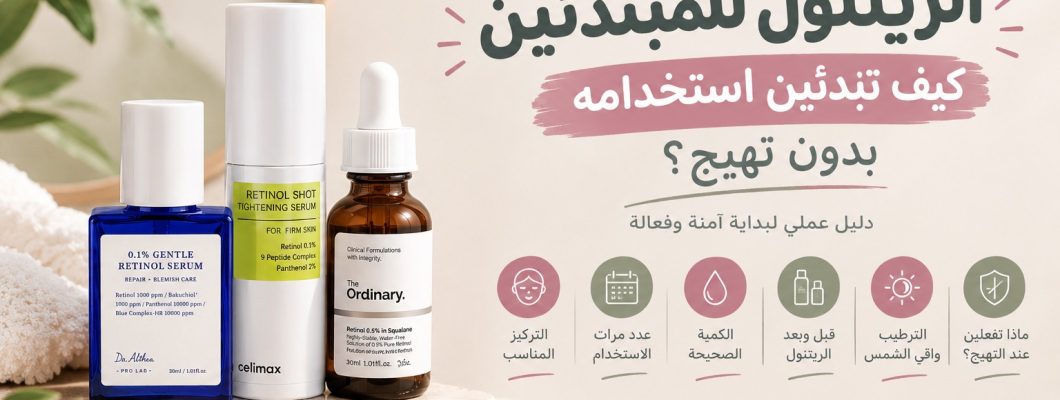
Retinol for Beginners: How to Start Using It Without Irritation
If you are thinking about adding retinol to your skincare routine but feel hesitant because you are worried about dryness, redness, or peeling, starting the right way can make a big difference in your experience.
Retinol is a popular skincare ingredient used to improve the appearance of the skin. However, it is not a product you should start using too frequently or at a high concentration right away. The key is to choose the right formula, introduce it gradually, and understand what your skin needs before increasing how often you use it.
In this guide, you will learn how to choose a retinol concentration for beginners, how many times a week to use it, how much to apply, where it fits in your routine with moisturizer, and what to do if dryness or irritation occurs.
First: What Is the Right Retinol Concentration for Beginners?
If this is your first time using retinol, it is best to look for a beginner-friendly formula or one with a relatively low concentration instead of choosing the highest percentage available.
There is no single concentration that works for everyone. The overall formula, manufacturing process, skin condition, and individual tolerance can all affect your experience.
When comparing products, pay attention to:
Retinol percentage: Choose a relatively low concentration if you have never used retinol before.
Formula: Some products are designed to be gentler or combine retinol with moisturizing ingredients.
Previous experience: A product that works for someone who is accustomed to retinol may not be suitable for a beginner.
Skin condition: If your skin is very dry or irritated, address the irritation first before introducing another active ingredient.
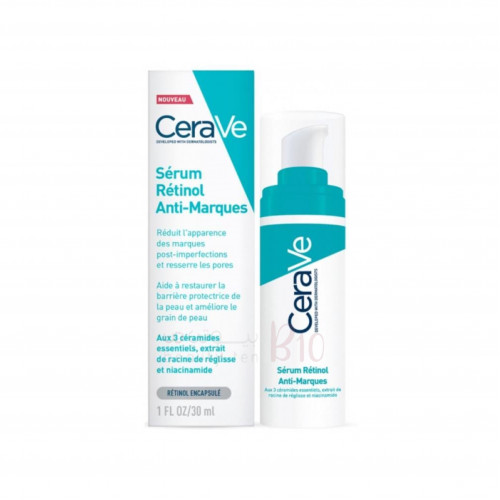
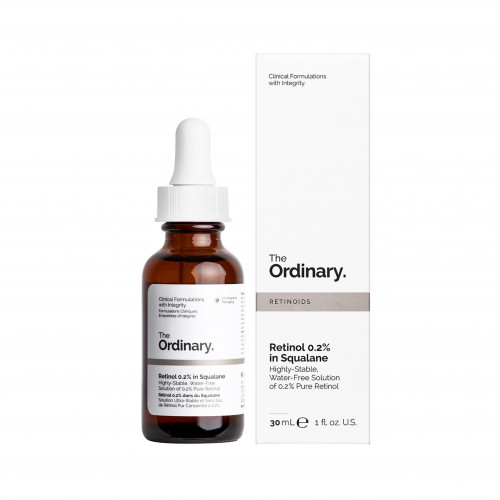
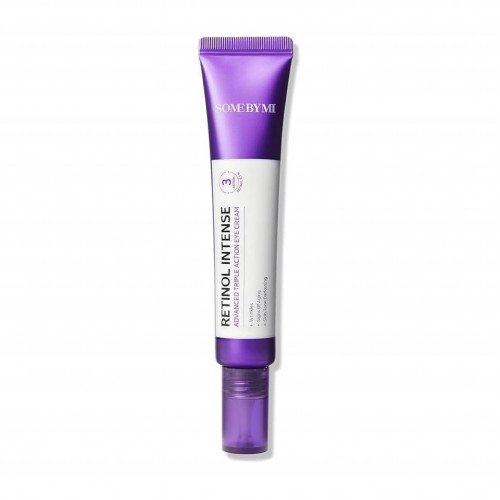
Some products you can compare when choosing a beginner-friendly retinol serum include low-concentration formulas such as Dr. Althea 0.1% Gentle Retinol Serum and Celimax Retinol Shot 0.1%. Be sure to review each product’s ingredients, directions, and usage instructions before purchasing.
Note: A 0.1% concentration does not guarantee that irritation will not occur. Even low-concentration formulas may not suit every skin type.
Second: How Many Times a Week Should You Use Retinol?
One of the most common mistakes is starting to use retinol every night, especially if your skin has never been exposed to it before.
It is better to begin with a low frequency and monitor your skin’s response before increasing how often you apply it.
A Suggested Gradual Retinol Schedule
This is a general example to help you organize your routine, not a mandatory schedule for every product or skin type.
Weeks 1 and 2
Start by using retinol once a week. Watch for dryness, redness, or stinging.
Weeks 3 and 4
If your skin feels comfortable and you are not experiencing persistent irritation, you can consider increasing usage to twice a week, leaving several days between applications.
After that
Increase the frequency only if your skin tolerates the product well. Some skin types may need to stay at a low frequency, and there is no requirement to work up to daily use.
If signs of irritation appear, do not move to the next stage just because the week has ended. Stay at the lower frequency or temporarily stop using retinol until your skin feels comfortable again.
Third: How Much Retinol Should You Apply?
Using a larger amount does not mean you will get better results. It may actually increase the risk of irritation.
If your product is a facial serum or cream, follow the packaging instructions for the amount and application method. In general, you do not need a thick layer. A small, appropriate amount evenly distributed over the target area is usually sufficient.
Avoid the eye area and the corners of your nose and lips if the product instructions advise you to do so.
Remember that retinol is not a scrub that you apply by rubbing the skin, and it should not be applied to cracked or inflamed skin.
Fourth: What Should You Apply Before and After Retinol?
The order of your skincare products can help you introduce retinol without making your routine complicated.
Before Retinol
Wash your face with a gentle cleanser suitable for your skin.
Pat your skin dry without rubbing.
Allow your skin to dry completely before applying retinol, especially if you are a beginner or prone to irritation.
After Retinol
Apply a suitable moisturizer to support hydration and reduce the feeling of dryness. Choose a formula that feels comfortable and does not cause congestion or irritation.
Evening Routine on Retinol Nights
Gentle cleanser
Wait until your skin is completely dry
A small amount of retinol, following the product instructions
Suitable moisturizer
Morning Routine
Gentle cleanser or rinse, depending on your skin’s needs
Moisturizer
Broad-spectrum sunscreen with SPF 30 or higher
If you have sensitive skin or are worried about irritation, applying moisturizer before retinol or using the sandwich method may help. This involves applying moisturizer, then retinol, and then another layer of moisturizer.
However, check the product instructions first, as some formulas may have specific application directions.
Fifth: What Should You Do If You Experience Dryness or Peeling?
Some dryness or peeling may occur when you first start using retinol, but that does not mean you should continue despite discomfort.
If you notice dryness, tightness, or peeling:
Temporarily stop using retinol if the irritation is noticeable.
Focus on a gentle cleanser and a simple moisturizer.
Avoid exfoliants, acids, fragranced products, or anything that causes stinging until your skin calms down.
Do not try to remove flakes by rubbing or exfoliating.
Return to retinol at a lower frequency only after your skin has improved, if retinol is still suitable for you.
If you experience swelling, severe burning, painful cracking, or persistent irritation, stop using the product and seek medical advice rather than trying to adjust your routine on your own.
Sixth: When Should You Increase How Often You Use Retinol?
The most important rule is that your skin’s response matters more than the calendar.
You can consider increasing the frequency when:
You are not experiencing persistent redness or peeling.
You do not feel burning or discomfort after application.
Your skin remains comfortable with your usual moisturizing routine.
You have used retinol at the current frequency long enough to observe how your skin responds.
If your skin feels comfortable using retinol once a week, you do not have to increase the frequency quickly. Choose a schedule you can maintain without irritation, and follow the product instructions.
Seventh: Which Products Should You Avoid When Starting Retinol?
During the first stage, try to keep your routine simple and avoid introducing several new active ingredients at the same time.
Be especially cautious when combining retinol with products such as:
AHA and BHA exfoliants: Such as glycolic acid and salicylic acid, particularly if you are a beginner or have sensitive skin.
Physical exfoliants: Such as grainy scrubs, which can increase friction and irritation.
Strong acne treatments: Such as certain benzoyl peroxide formulas, depending on the type of retinoid and the product instructions.
Multiple new products: Introducing several active products at once makes it harder to identify what caused irritation.
This does not mean all these ingredients are always prohibited with retinol. However, it is better not to start using them all in the same routine. If you are already using a prescription acne treatment, consult your doctor or pharmacist before changing how you use it.
Eighth: Should You Patch Test Retinol Before Using It?
If you have sensitive skin or a history of reactions to skincare products, testing the product on a small area may be a useful precaution.
Follow the packaging instructions and monitor the area for redness, itching, or irritation.
However, remember that testing a product on a small area does not guarantee that you will not experience a reaction when applying it to your entire face.
Ninth: Is Retinol Suitable for Sensitive Skin?
Retinol is not necessarily suitable for every person with sensitive skin, especially if their skin is currently experiencing redness, inflammation, or severe dryness.
If your skin reacts easily, start with a simple routine focused on a gentle cleanser, moisturizer, and sunscreen. Once your skin has stabilized, you can discuss introducing retinol with a dermatologist if it is appropriate for your needs.
The American Academy of Dermatology notes that people experiencing dryness, redness, or inflammation may not be suitable candidates for retinoids without professional evaluation. Irritation may also contribute to dark spots in some people with darker skin tones.
Tenth: When Should You Avoid Retinol?
During pregnancy: Retinoids, including topical retinol, are generally advised to be avoided during pregnancy.
When your skin is noticeably irritated or cracked: Delay using retinol until your skin has improved.
If you are using a prescription skin treatment: Do not add retinol or change your treatment schedule without consulting your doctor.
If you have a persistent or undiagnosed skin concern: For example, recurring inflammation or severe redness. Seek medical evaluation before starting.
If you are planning to become pregnant or are breastfeeding, it is best to ask your doctor which products are suitable for your situation rather than assuming that all vitamin A derivatives have the same instructions.
Frequently Asked Questions About Retinol for Beginners
Should I Start With 0.1% Retinol?
A relatively low concentration may be an option for beginners, but the percentage alone does not determine how gentle a product is.
Read the usage instructions, consider the rest of the formula and your skin’s condition, and start with a low frequency.
Should I Use Retinol Once or Twice a Week?
Starting once a week may be a cautious option for some beginners. You can then consider using it twice a week if your skin tolerates it.
Dermatology guidance recommends introducing retinoids gradually and choosing a less intense formula when needed. The appropriate frequency can vary from person to person.
Should I Apply Retinol to Damp Skin?
When starting out, applying retinol to clean, dry skin is a practical approach because it may help reduce irritation for some people.
Follow the instructions for your specific product, especially if it has a particular application method.
Should I Stop Using Retinol If My Skin Peels?
If the peeling is mild, monitor your skin and reduce the frequency if needed.
However, if peeling is accompanied by burning, severe redness, or cracking, temporarily stop using retinol and focus on gentle skincare. Seek medical advice if the irritation is severe or persistent.
Can I Use Retinol With Moisturizer?
Yes. Moisturizer is an important part of your routine and may help reduce dryness and irritation.
You can apply it after retinol or before retinol if you need to reduce irritation, while following the product instructions.
Do I Need Sunscreen Even If I Use Retinol at Night?
Yes. Make sun protection a consistent part of your morning routine, and choose a broad-spectrum sunscreen with SPF 30 or higher.
Conclusion: A Gentle Start Is Better Than Rushing
If you are new to retinol, do not make a high concentration or daily application your first goal.
Start with a relatively low-concentration formula, use it infrequently, and apply a suitable moisturizer and sunscreen consistently.
Monitor your skin’s response, and increase usage only when your skin is comfortable with your current routine. If noticeable irritation develops, simplify your routine and give your skin time to recover.
To learn more about this ingredient, explore the related articles in our retinol cluster:


Leave a Comment