

Retinol for Hyperpigmentation and Post-Acne Marks: Does It Help Even Out Skin Tone?
Do you struggle with dark spots left behind by acne, uneven skin tone, or hyperpigmentation that makes your complexion look less even? You may have come across retinol as a skincare ingredient recommended for improving skin texture and overall appearance. But can it actually help fade hyperpigmentation and post-acne marks?
Retinol may be a helpful option for some cases of mild hyperpigmentation and uneven skin tone. However, results depend on the type and depth of pigmentation, the product formulation, and how well your skin tolerates it. The American Academy of Dermatology (AAD) lists retinol among the ingredients that may help fade dark spots.
<>In this guide, we’ll explore how retinol can fit into a routine for dark spots and post-acne marks, how to introduce it gradually, and why moisturizing and sun protection are essential for a balanced skincare routine.
What Is Retinol, and How Does It Relate to Hyperpigmentation?
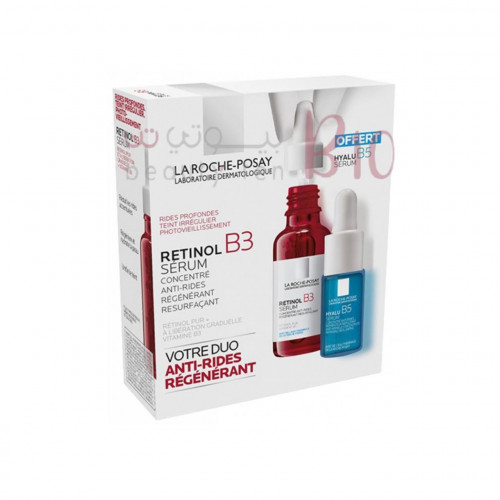
Retinol is a vitamin A derivative that belongs to the retinoid family used in skincare. It is commonly found in cosmetic products designed to improve the appearance of uneven skin tone, texture, and certain signs of aging.
Its role in addressing hyperpigmentation is linked to its effects on skin cell turnover, which may help improve the appearance of dark spots and skin texture with consistent use.
However, retinol is not an instant solution for hyperpigmentation, and it does not produce the same results for everyone. Cosmetic retinol products also differ from prescription retinoids that a dermatologist may recommend for specific skin conditions.
Does Retinol Help with Post-Acne Marks?
Yes, retinol may help improve the appearance of some dark marks left behind after acne has cleared, but it is important to identify the type of mark you have first.
1. Dark Spots Left After Acne
After acne heals, it may leave brown or dark spots caused by post-inflammatory hyperpigmentation (PIH).
These spots are not necessarily permanent scars. They may gradually fade over time, and certain topical ingredients can help improve their appearance.
The American Academy of Dermatology explains that retinoids can help fade dark spots that remain after acne clears. However, irritation during treatment may lead to additional pigmentation, particularly in people who are more prone to hyperpigmentation. This is why gradual use is important.
2. Red or Pink Acne Marks
Not all acne marks are brown pigmentation. Some appear red or pink, and their appearance can vary depending on skin tone and the nature of the inflammatory response.
You should not assume that retinol will treat all these marks in the same way. Some cases may require a different approach, particularly if redness persists or is accompanied by irritation.
3. Atrophic or Raised Acne Scars
If your acne marks appear as indentations or raised areas in the skin, they are different from flat marks caused by hyperpigmentation.
Retinoids may play a role in treating certain forms of acne or improving skin texture, but noticeable scars may require medical assessment and other treatment options. Therefore, you should not expect a retinol serum alone to remove deep acne scars or raised scars.
Retinol for Dark Spots and Uneven Skin Tone
Dark spots can result from previous acne, sun exposure, melasma, or other causes. Identifying the underlying cause helps determine which ingredients may be most appropriate.
Retinol may be worth considering if your goal is to improve the appearance of uneven skin tone and mild dark spots, but your skin type and sensitivity must also be taken into account.
It is also important to distinguish relatively superficial pigmentation from deeper pigmentation. Some spots may take a long time to fade and may require a treatment plan recommended by a dermatologist.
If your spots are spreading, becoming more noticeable, appearing suddenly, or not responding to at-home skincare, it is best to consult a specialist to identify the cause rather than trying several brightening products at once.
Is Retinol Better Than Vitamin C or Niacinamide for Hyperpigmentation?
Not necessarily. Each ingredient serves a different purpose, and the best choice depends on the type of pigmentation and your skin’s condition.
Retinol:<> May help improve the appearance of uneven skin tone and texture. It may be suitable for people who want to address more than one skin concern within a single routine.
Vitamin C:<> Commonly used to improve the appearance of dark spots and uneven skin tone. Depending on the formulation and your skin’s tolerance, it can be incorporated into a morning routine.
Niacinamide:<> Found in many skincare products designed to improve the appearance of uneven skin tone while supporting the skin barrier.
There is no single formula that works for everyone, and you do not need to start by using all three ingredients together. It is better to introduce one product at a time, monitor your skin’s response, and adjust your routine as needed.
If you are dealing with both hyperpigmentation and post-acne marks, explore our guide to <>Best Serum for Hyperpigmentation and Post-Acne Marks<> to help choose ingredients according to your skin’s needs.
How to Use Retinol for Hyperpigmentation Without Increasing Irritation
A common mistake is trying to fade dark spots quickly by using a strong concentration or applying retinol more frequently. However, skin irritation can worsen hyperpigmentation instead of improving it.
Follow these steps to introduce retinol more carefully.
Step 1: Choose a Suitable Formula
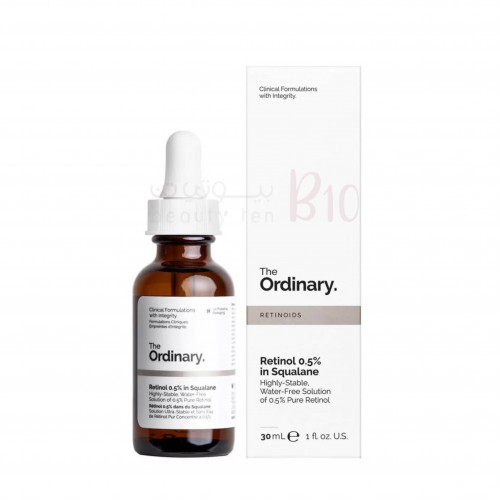
If you are a beginner, choose a lower-strength formula that suits your skin’s needs. A higher concentration does not necessarily mean better results, especially if it causes dryness or redness.
Step 2: Introduce It Gradually
Start by using retinol at night and at spaced intervals, such as once or twice a week, depending on the product formulation and your skin’s tolerance. You can gradually increase the frequency if no significant irritation develops.
Step 3: Do Not Skip Moisturizer
A suitable moisturizer helps support the skin barrier and reduce dryness. Look for a formula that suits your skin type and contains hydrating ingredients such as glycerin, ceramides, or panthenol.
If your skin is sensitive or dry, read our guide, <>Retinol for Sensitive Skin: Is It Suitable and How Should You Use It?<>, to learn more about gradual use and ways to reduce the risk of irritation.
Step 4: Avoid Layering Too Many Active Ingredients
Do not start using retinol alongside strong exfoliants or several brightening products at the same time. Introducing too many ingredients at once may increase the risk of irritation and make it harder to identify the cause of a reaction.
If you use a chemical exfoliant, it is better to separate exfoliation nights from retinol nights when you are first starting out.
Step 5: Patch Test New Products
Test the product according to its instructions and monitor your skin for redness, itching, or burning. If significant irritation occurs, stop using it temporarily until your skin calms down. Seek medical advice if symptoms persist or are severe.
Why Is Sunscreen Essential When Treating Hyperpigmentation?
If your goal is to fade dark spots and achieve a more even skin tone, retinol alone is not enough.
Exposure to ultraviolet (UV) radiation and visible light can worsen certain types of hyperpigmentation. Sun exposure can also make existing dark spots more noticeable.
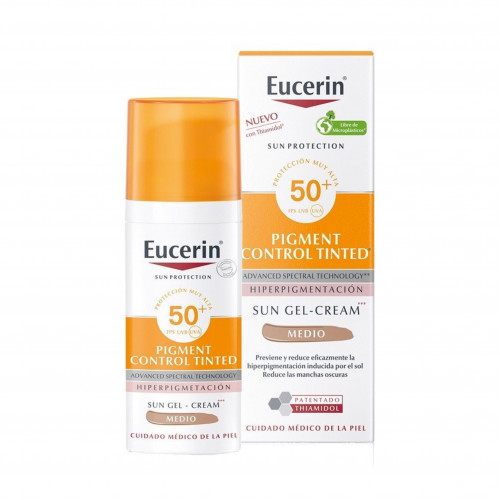
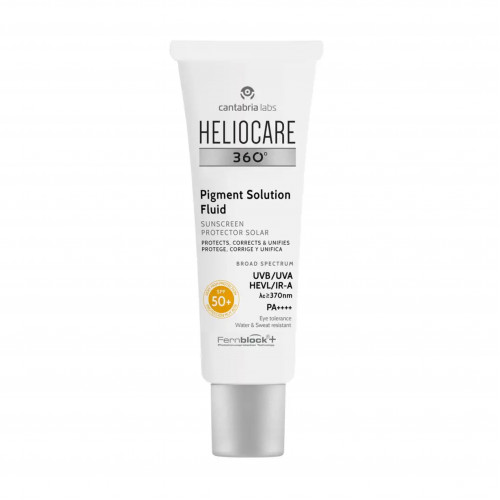
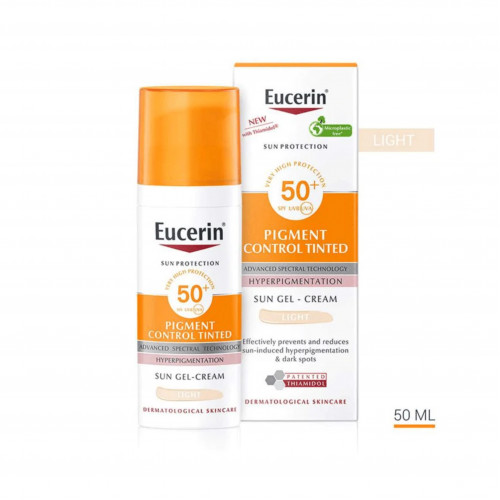
The American Academy of Dermatology recommends making sun protection the first step in caring for dark spots and using a broad-spectrum sunscreen with SPF 30 or higher. A tinted sunscreen containing iron oxides may also be helpful for some people prone to hyperpigmentation because it provides protection against visible light as well.
Make sure you:
Use a broad-spectrum sunscreen with SPF 30 or higher.
Apply an adequate amount according to the product instructions.
Reapply every two hours while outdoors and after swimming or sweating.
Choose a formula that suits your skin type, especially if your skin is oily or acne-prone.
Use additional sun protection, such as seeking shade and wearing protective clothing.
You can also read our guide to Best Sunscreen for Hyperpigmentation to learn how to choose a suitable product for a dark-spot skincare routine.
How Long Does Retinol Take to Improve Hyperpigmentation?
The time needed to see results varies depending on the type and depth of pigmentation, the product formulation, consistency of use, and how well you protect your skin from the sun.
Dark spots may take weeks or months to show noticeable improvement, and some may take longer. For this reason, do not judge a product after just a few days, and do not quickly increase its concentration if you do not see immediate changes.
The most important thing is to use retinol consistently and appropriately without causing repeated irritation, as inflammation itself may contribute to new pigmentation.
Who Should Avoid Retinol or Consult a Doctor First?
<>Retinol may not be suitable for everyone, particularly in the following situations:
Skin that is currently experiencing significant inflammation, severe redness, or pronounced dryness and cracking.
An existing skin condition that requires a specific diagnosis and treatment.
Deep or persistent pigmentation that does not improve with at-home skincare.
Severe acne or noticeable scarring that requires a treatment plan.
Pregnancy or plans to become pregnant, as retinoids should be avoided during pregnancy. Consult a healthcare professional about suitable skincare alternatives.
If your skin is highly sensitive or you have experienced irritation from retinol in the past, it is best to consult a dermatologist before starting or using it again.
Common Mistakes When Using Retinol for Hyperpigmentation
1. Starting with a strong concentration:<> This may cause irritation and make it harder to maintain a consistent routine.
2. Skipping sunscreen:<> Dark spots may continue to develop or become more noticeable despite using brightening products.
3. Over-exfoliating the skin:<> Combining multiple exfoliants with strong retinol may damage the skin barrier.
4. Expecting hyperpigmentation to disappear quickly:<> Dark spots take time to fade, and results vary depending on their cause and depth.
5. Ignoring the type of mark:<> A flat dark spot is different from an indented scar or persistent redness, and each requires a different approach.
Conclusion: Do I Recommend Retinol for Hyperpigmentation and Post-Acne Marks?
Retinol can be a useful addition to a skincare routine if you want to improve the appearance of mild dark spots, uneven skin tone, and certain flat marks left behind after acne.
However, a successful routine depends on more than retinol alone. Choosing the right product, introducing it gradually, moisturizing consistently, and protecting your skin from the sun every day are all essential.
Start with a simple routine, avoid combining several strong active ingredients at the beginning, and do not hesitate to consult a dermatologist if your hyperpigmentation is severe, persistent, or has an unclear cause.
Related Articles from Beauty Ten
To explore more options for your skin, check out these guides:
Retinol for Beginners: How to Start Using It Without Irritation
Retinol for Sensitive Skin<>: Learn how to introduce retinol gradually and reduce the risk of irritation.
Retinol for Oily Skin<>: Learn how to coordinate retinol with moisturizers, exfoliants, and products for oily skin.
Medical Sources



Leave a Comment