
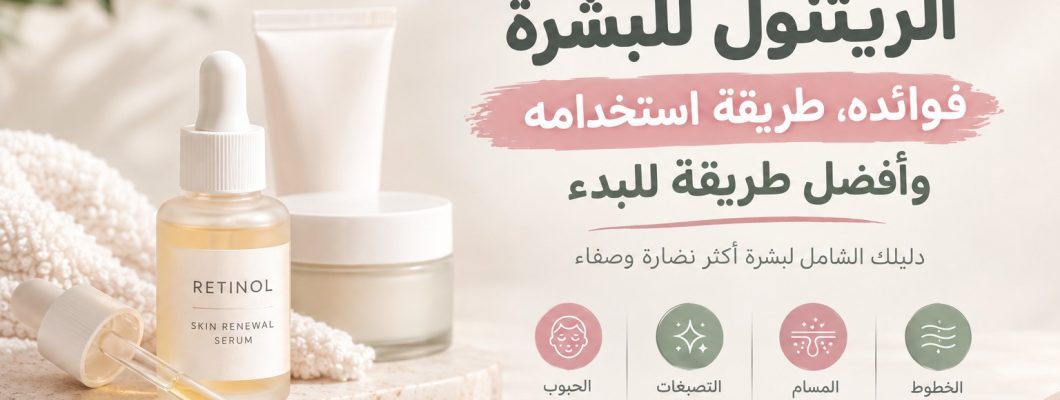
Retinol for Skin: Benefits, How to Use It, and the Best Way to Get Started
If you are looking for a single skincare ingredient that can be added to your routine to help improve skin texture, uneven skin tone, the appearance of fine lines, and some types of clogged pores, you have probably come across retinol.
However, despite its popularity, using retinol randomly or too aggressively can lead to dryness, redness, and peeling, especially if you start with a high concentration or use it too frequently from the beginning.
That is why it is not simply about choosing a retinol serum. It is important to understand what retinol is, what it can help with, and how to introduce it gradually based on your skin’s needs and tolerance.
What Is Retinol?
Retinol is a derivative of vitamin A and belongs to a larger family of ingredients known as retinoids.
Retinoids are used in skincare and for various dermatological purposes. Different types vary in strength, how they work, and whether they require a prescription.
Retinol, which is found in many skincare products, is commonly used to improve the appearance of:
Fine lines.
Uneven skin tone.
Hyperpigmentation and dark spots.
Skin texture.
The appearance of pores and clogged pores.
The American Academy of Dermatology explains that retinol is a type of retinoid, while other retinoids are used more directly to treat acne, including adapalene, tretinoin, and others.
What Is the Difference Between Retinol and Retinoids?
The terms may sound similar, but there is an important difference.
Retinoid is the general name for a family of vitamin A derivatives used on the skin.
Retinol, on the other hand, is one type of retinoid and is widely found in over-the-counter skincare products.
Other retinoids include:
Retinol
Adapalene
Tretinoin
Tazarotene
Trifarotene
However, these products are not equal in strength, purpose, or how they are obtained.
Therefore, when we talk about a retinol serum as part of a skincare routine, we are referring to a cosmetic product containing retinol, not necessarily a prescription medication used to treat acne.
What Are the Benefits of Retinol for Skin?
The results can vary depending on the product’s concentration, consistency of use, skin type, and the specific concern being addressed.
However, retinol is commonly used in skincare routines to improve several aspects of the skin’s appearance.
1. Improves the Appearance of Fine Lines
One of the most common reasons people use retinol is to care for skin showing fine lines and early signs of wrinkles.
According to the American Academy of Dermatology, retinoids can help improve fine lines and wrinkles by speeding up the turnover of surface skin cells and supporting processes related to collagen.
For this reason, retinol is included in many skincare products designed to target visible signs of aging.
2. Helps Improve Uneven Skin Tone and Hyperpigmentation
Retinol can be part of a skincare routine targeting hyperpigmentation, dark spots, and uneven skin tone.
However, it is important not to rely on retinol alone.
If your skin is prone to pigmentation, sun protection is an essential part of any routine targeting dark spots. Sun exposure can worsen pigmentation and affect the results of your skincare routine.
3. Retinol for Post-Acne Marks
After acne clears, dark marks or uneven skin tone may remain.
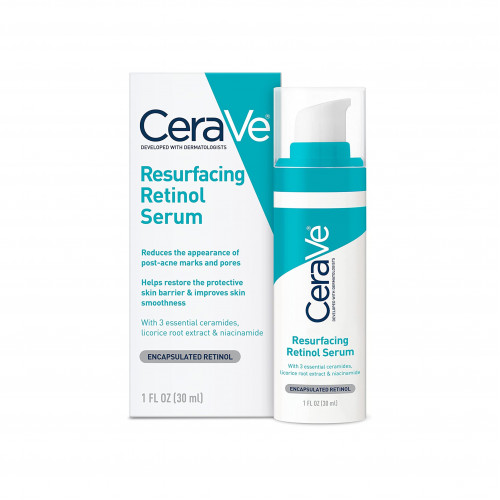
In this case, retinol can be part of a skincare routine designed to target post-acne marks and uneven skin tone.
However, it is important to distinguish between:
Dark post-acne marks
and
Indented or raised acne scars.
Retinol may help improve the appearance of some superficial skin changes, but it is not a solution for every type of acne scar, especially deep scars that may require professional assessment and dermatological treatments.
Retinol and Acne: Does It Really Help?
Here, it is important to distinguish between cosmetic retinol and prescription retinoids used to treat acne.
The American Academy of Dermatology explains that topical retinoids can help unclog pores and treat blackheads, whiteheads, and some pimples. They may also be used to help maintain clearer skin after acne has been brought under control.
Retinol found i
Leave a Comment