


Best Face Mask for Oily Skin: How to Choose the Right Mask for Your Skin
If you have oily or acne-prone skin with enlarged pores, you may be looking for a face mask that helps reduce excess shine and remove oil and impurities without causing dryness or irritation.
However, choosing the best face mask for oily skin is not simply about selecting the strongest product or one marketed specifically for oily skin. What matters most is the formula, the ingredients it contains, and how well it matches your skin's specific needs.
In this guide, we will explore the best types of face masks for oily skin, what to look for when choosing a mask, and how to select the right product if your skin is oily and prone to acne or enlarged pores.
Why Does Oily Skin Need a Face Mask?
Oily skin produces more sebum than other skin types, which can contribute to excess shine, visible pores, and the buildup of oil and impurities.
The right face mask may help:
Absorb excess oil from the skin's surface.
Reduce the appearance of shine.
Remove accumulated impurities.
Temporarily improve the appearance of pores.
Leave the skin feeling clean and refreshed.
Support your overall oily skin care routine.
However, it is important not to overuse masks designed to absorb oil. Excessive and repeated removal of natural oils can leave the skin dry and irritated.
What Is the Best Type of Face Mask for Oily Skin?
There is no single face mask that works for every type of oily skin. The best choice depends on the specific concern you want to address.
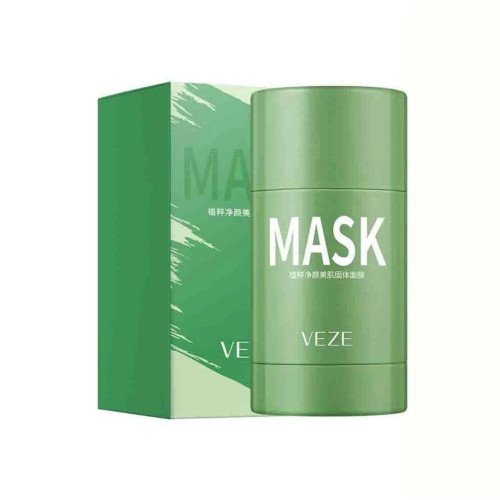
1. Clay Mask for Oily Skin
A clay mask is one of the most popular options for oily skin, especially when the goal is to absorb excess oil and cleanse the skin.
It may be suitable if you experience:
Noticeable shine.
Excess oil in the T-zone.
Pores that appear more visible.
A buildup of impurities on the skin's surface.
Common types of clay used in skincare products include kaolin and bentonite.
It is preferable to choose a well-balanced clay mask rather than an extremely drying formula, especially if your skin is sensitive as well as oily.
2. Face Mask Containing Salicylic Acid
If your oily skin is prone to acne and blackheads, a face mask containing salicylic acid may be a useful addition to your skincare routine.
Salicylic acid is a type of BHA that can help cleanse pores and address the buildup of excess oil and dead skin cells.
However, the presence of salicylic acid does not mean that using the mask every day will provide better results. Always follow the product's instructions and avoid randomly combining multiple exfoliating ingredients.
3. Charcoal Mask for Oily Skin
Some masks formulated for oily skin contain charcoal and are marketed to help absorb oil and impurities from the skin's surface.
This type of mask may be suitable if you are looking for a product that helps cleanse the skin and leave it feeling refreshed. However, the overall formula is more important than the presence of charcoal alone.
If the mask leaves your skin feeling extremely tight or dry after use, it may not be the best option for you, even if it is marketed for oily skin.
4. Hydrating Face Mask for Oily Skin
Choosing a hydrating face mask may seem unusual for oily skin, but it can actually be beneficial, especially if your skin is oily but also dehydrated or irritated.
Having oily skin does not necessarily mean that your skin does not need hydration.
If you regularly use oil-absorbing products or exfoliating ingredients, your skin may also benefit from hydrating ingredients that help maintain its comfort and balance.
Best Face Mask for Oily and Acne-Prone Skin
If your skin is oily and prone to acne, do not choose a face mask based solely on how effectively it dries out the skin.
Instead, look for a formula that helps address excess oil and impurities without being too harsh.
Some ingredients commonly found in products designed for this type of skin include:
Salicylic acid.
Clay.
Charcoal.
Niacinamide in some formulas.
Soothing and hydrating ingredients.
It is also important to remember that a face mask is not a standalone treatment for acne. It can be a supportive step within a suitable skincare routine.
If your acne is severe, inflamed, or persistent, you may need a more specialized treatment routine and advice from a dermatologist.
Best Face Mask for Oily Skin and Enlarged Pores
If your main concern is enlarged pores and uneven-looking skin, masks that help absorb excess oil and cleanse the skin's surface may be a useful option.
You can look for a:
Clay mask + gentle skincare ingredients
rather than choosing an extremely strong mask that causes excessive dryness.
Remember that a face mask cannot permanently close pores because pore size is influenced by factors such as skin type, sebum production, and genetics.
However, reducing the buildup of oil and impurities may make pores appear less noticeable temporarily.
How to Choose the Best Face Mask for Oily Skin
Before buying any face mask, ask yourself: What is the main concern I want to address?
If Your Skin Is Very Shiny
Choose a mask that helps absorb excess oil, such as certain types of clay masks.
If Your Skin Is Oily and Acne-Prone
Look for a formula containing ingredients suitable for skin prone to clogged pores, such as salicylic acid, while avoiding excessive exfoliation.
If Your Skin Is Oily and Your Pores Are Visible
Choose a cleansing mask that helps reduce the buildup of oil and impurities while maintaining adequate hydration.
If Your Skin Is Oily and Sensitive
A gentle formula should be your priority.
Avoid harsh masks or products that cause intense burning or tightness, and look for formulas that also contain soothing and hydrating ingredients.
If Your Skin Is Oily but Dry
Do not choose a mask solely designed to absorb excess oil.
A gentle and hydrating mask may be more suitable, especially if you regularly use exfoliating products or strong cleansers.
Is a Clay Mask Suitable for Oily Skin?
Yes, a clay mask can be a suitable option for oily skin, especially when the goal is to absorb excess oil and cleanse the skin.
However, how you use it is very important.
There is no need to wait until the mask dries completely and leaves your skin feeling tight, especially if your skin is sensitive or prone to dryness.
Always follow the product's instructions and use the mask according to the recommended frequency.
How Often Should You Use a Face Mask for Oily Skin?
This depends on the type of mask and its formula.
Masks containing oil-absorbing or exfoliating ingredients generally do not need to be used every day.
Once or twice a week may be appropriate for some products, while other masks may need to be used less or more frequently depending on the manufacturer's instructions and your skin's condition.
If you experience any of the following after using a face mask:
Severe dryness.
Redness.
Itching.
Flaking.
Persistent tightness.
You may be using the mask too frequently, or the product may not be suitable for your skin.
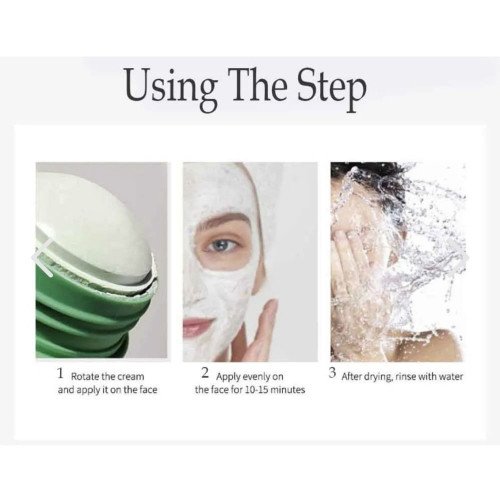
How to Use a Face Mask for Oily Skin
For the best results, follow these steps:
Step 1: Cleanse Your Skin
Start by washing your face with a gentle cleanser suitable for oily skin to remove dirt and surface oil.
Step 2: Apply the Mask
Apply an appropriate layer of the product to your skin according to the usage instructions. Avoid the eye and lip areas.
Step 3: Follow the Recommended Application Time
Do not leave the mask on for longer than recommended, assuming that doing so will produce better results.
Step 4: Remove the Mask
Wash your face gently without vigorous scrubbing.
Step 5: Moisturize
After removing the mask, apply a lightweight moisturizer suitable for oily skin to help keep your skin comfortable.
If you use the mask during the daytime, remember to apply sunscreen afterward.
Mistakes to Avoid When Using a Face Mask for Oily Skin
Using the Mask Every Day
Using a mask more frequently does not necessarily mean cleaner skin.
Overuse can lead to dryness and irritation.
Choosing the Strongest Mask Available
The strongest product is not always the best.
If a mask causes excessive dryness or irritation, it may be better to choose a gentler formula.
Scrubbing Your Skin After Removing the Mask
Your skin does not need aggressive scrubbing to feel clean.
Remove the product gently and pat your skin dry.
Skipping Moisturizer
One of the most common mistakes is assuming that oily skin does not need hydration.
Choose a lightweight moisturizer suitable for your skin instead of skipping this step.
Using Multiple Active Ingredients at the Same Time
If you already use products containing acids or other active ingredients, be careful about combining them with an exfoliating mask on the same day to reduce the risk of irritation.
Best Face Mask for Oily Skin Based on Your Skin's Needs
| Skin Concern | Suitable Type of Mask |
|---|---|
| Excess oil and shine | Clay mask or oil-absorbing mask |
| Visible pores | Cleansing mask that helps reduce oil buildup |
| Oily skin with blackheads | Mask containing salicylic acid |
| Oily and acne-prone skin | Gentle mask suitable for acne-prone skin |
| Oily and sensitive skin | Gentle and soothing mask |
| Oily but dry skin | Lightweight hydrating mask |
| Dull-looking skin | Gentle mask focused on hydration and improving the appearance of the skin |
Do You Need a Face Mask If You Already Use a Cleanser and Toner?
A face mask is not an essential step for everyone, but it can be a useful addition to an oily skin care routine depending on your skin's needs.
Your basic routine can remain simple:
Cleanser → Toner if needed → Suitable serum → Moisturizer → Sunscreen in the morning
You can then add a face mask once or twice a week if its formula is suitable for your skin.
If you are looking for a complete skincare routine, you can also explore a guide to the best sunscreen for oily skin and choose a suitable moisturizer and serum for your daily routine.
How Do You Know if a Face Mask Is Suitable for Your Skin?
Do not rely solely on a product description that says it is "designed for oily skin."
Pay attention to how your skin feels after using it.
A suitable face mask should not leave your skin excessively dry or severely irritated. Also, feeling extremely clean or tight after using a mask does not necessarily mean that your skin is healthier.
If your skin feels more comfortable and balanced without unpleasant dryness, and the formula addresses your specific needs, the product may be a good option to include in your routine.
It is also best to introduce new products gradually, especially if your skin is sensitive or prone to irritation.
Conclusion: What Is the Best Face Mask for Oily Skin?
The best face mask for oily skin is not necessarily the strongest one. Instead, it is the mask that addresses your skin's needs without causing excessive dryness or irritation.
If your goal is to reduce excess oil and shine, a clay mask may be a suitable option. If your skin is oily and prone to acne or blackheads, you may want to look for formulas containing ingredients such as salicylic acid.
On the other hand, if your oily skin is sensitive or dehydrated, it is better to focus on gentle and hydrating masks rather than products designed primarily to absorb large amounts of oil.
Finally, remember that a face mask is an additional step, not a replacement for your basic skincare routine, which should include gentle cleansing, appropriate moisturizing, and daily sunscreen.

Leave a Comment