
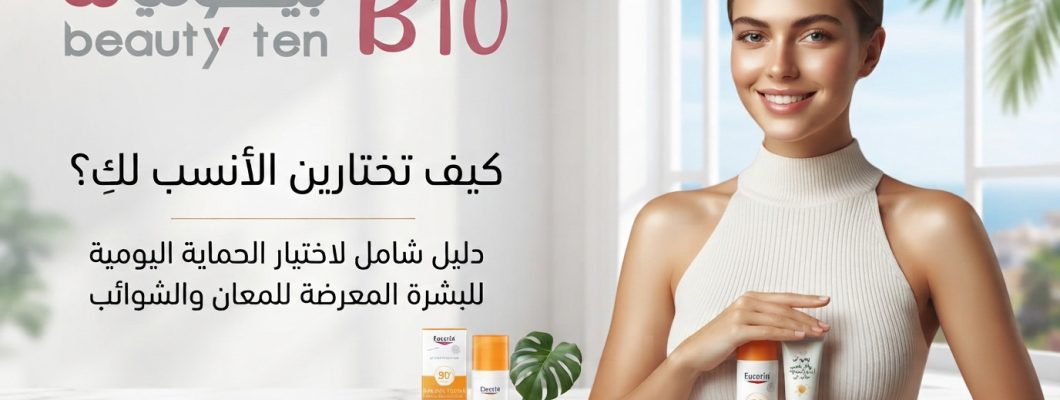
Best Sunscreen for Oily Skin: How to Choose the Right Sunscreen for Your Skin?
If your skin is oily or prone to shine and breakouts, choosing the right sunscreen can be a real challenge. Some sunscreens leave an oily layer on the skin, while heavy formulations may clog pores or make makeup look uneven.
However, avoiding sunscreen is not a solution; oily skin needs protection from the sun just like any other skin type.
So, what is the best sunscreen for oily skin? What specifications should you look for when choosing sunscreen? And is it better to choose a gel, cream, or fluid sunscreen?
In this guide, we will help you choose the right sunscreen for oily skin based on your skin's needs.
Why is using sunscreen important for oily skin?
Oily skin is not naturally protected from the sun due to increased sebum production. Although the oils on the surface of the skin may give it a shiny appearance, they do not provide adequate protection against ultraviolet rays.
Continuous exposure to the sun can contribute to the appearance of:
Pigmentation and dark spots.
Uneven skin tone.
Increased visibility of breakout marks.
Premature aging signs.
Skin irritation for some individuals.
Therefore, using sunscreen daily is an essential part of an oily skin care routine, not an extra step that can be skipped.
How to choose the best sunscreen for oily skin?
Not every sunscreen is suitable for oily skin. When choosing a product, focus on a set of specifications rather than just relying on the brand name.
1. Choose a lightweight formula
Oily skin is often more comfortable with lightweight formulas that do not feel heavy or greasy.
Look for products with a texture of:
Fluid.
Gel.
Gel-cream.
Light lotion.
Lightweight formulas can be a practical choice, especially if you use sunscreen daily and apply makeup over it.
2. Choose a non-comedogenic sunscreen
If your skin is prone to breakouts or clogged pores, it is helpful to look for a sunscreen labeled as Non-Comedogenic, meaning it is designed to minimize the likelihood of clogged pores.
However, keep in mind that individual skin responses to products vary from person to person.
3. Look for broad-spectrum protection
It is best to choose a sunscreen that offers Broad Spectrum Protection against ultraviolet rays.
It is not enough to choose a product with a high protection factor alone; wide coverage is an important part of choosing the right sunscreen for daily use.
4. Choose an appropriate protection factor
For daily use, SPF 30 or higher is a common choice for UV protection.
If you spend a long time outdoors or are directly exposed to the sun, you may prefer a sunscreen with a higher protection factor, while committing to reapplying as needed.
Best types of sunscreen for oily skin
You can find sunscreens for oily skin in several textures and formulations, and there is no single type that suits everyone.
☀️ Gel Sunscreen: Typically features a lightweight and fast-absorbing texture, making it suitable for those who dislike a heavy feeling on the skin.
☀️ Fluid Sunscreen: Features a liquid and lightweight texture, making it a good choice for daily use, especially for skin that dislikes heavy creams.
☀️ Matte Formula Sunscreen: If your main issue is excess shine, you might prefer a sunscreen that gives the skin a more matte appearance. This type can be especially practical under makeup.
☀️ Mineral Sunscreen: Mineral sunscreens usually rely on filters like zinc oxide and titanium dioxide. They may be a suitable choice for some people with sensitive skin, but the choice ultimately depends on how well the full formula suits your skin.
Best sunscreen for oily skin and large pores
If your skin is oily and you also suffer from large pores, don't just look for a sunscreen that prevents shine.
The most important thing is to choose a lightweight formula that doesn't make you feel like product is building up on your skin.
Sunscreens with liquid or gel textures can be suitable for this condition, especially if you use multiple products in your daily routine.
It is also important not to try to "hide" pores by using thick layers of products, because product buildup can make the skin texture more visible.
Best sunscreen for oily and acne-prone skin
If your skin is oily and breakouts easily appear, choosing sunscreen requires more care.
It is best to focus on:
✔ A lightweight formula.
✔ A non-comedogenic product.
✔ A texture that does not leave a heavy greasy layer.
✔ Broad-spectrum protection.
✔ A product that fits your daily routine and does not cause irritation.
The appearance of breakouts does not mean you should stop using sunscreen; rather, it is best to find the formula that is compatible with your skin.
Best sunscreen for sensitive oily skin
If the skin is both oily and sensitive at the same time, choosing a product becomes more delicate.
In this case, don't just look at the words "for oily skin," but also monitor the product's ingredients and how well your skin tolerates them.
It is preferable to choose a simple and comfortable formula, and avoid products you already know cause you irritation.
If your skin is extremely sensitive or suffers from constant redness, it is best to patch-test the product on a small area of skin before using it on your entire face.
Is gel sunscreen better than cream for oily skin?
Not necessarily.
The choice depends on the final product formula rather than just the word "gel" or "cream".
Generally speaking, oily skin may prefer lightweight formulas like gel and fluid because they feel less heavy on the skin.
On the other hand, some lightweight creams can also be suitable, especially if the oily skin suffers from dryness or a compromised skin barrier.
Therefore, do not choose sunscreen based on texture alone, but rather on your skin's overall needs.
How to use sunscreen for oily skin correctly?
Even the best sunscreen will not deliver the desired benefits if it is not used correctly.
Step 1: Apply it at the end of your skincare routine
After cleansing the skin and using appropriate skincare products, sunscreen comes as the final step in your skincare routine before makeup.
Step 2: Do not use too little amount
One of the most common mistakes is using a small amount of sunscreen out of fear of increased shine. However, reducing the amount may lower the expected level of protection from the product.
Step 3: Reapply when needed
If you are exposed to the sun for a long time, sweat, or engage in water activities, you may need to reapply sunscreen according to product instructions and environmental conditions.
Step 4: Do not neglect the neck
When applying sunscreen, do not limit it to the face only, but also care for sun-exposed areas like the neck.
Common mistakes when choosing sunscreen for oily skin
There are some mistakes that can make the sunscreen experience uncomfortable:
❌ Choosing a heavy sunscreen: It can make the skin look oilier and increase discomfort.
❌ Choosing the product based on SPF only: Protection factor is important, but not the only factor. You must also pay attention to coverage, texture, product formulation, and how well it suits your skin.
❌ Using sunscreen only in summer: UV rays are not limited to summer, so it is best to make sunscreen part of your daily routine.
❌ Ignoring skin type: A product that suits dry skin may not be the best choice for oily skin, and vice versa.
❌ Not reapplying: Especially during direct sun exposure, sweating, or swimming.
How to choose sunscreen according to your skin condition?
| Skin Condition | What You Should Look For |
| Oily | Lightweight and non-greasy texture |
| Oily & Large Pores | Lightweight formula that feels weightless |
| Oily & Acne-Prone | Non-Comedogenic and suitable formula |
| Oily & Sensitive | Gentle formula with skin-tolerated ingredients |
| Oily & Dry in Some Areas | Lightweight sunscreen with adequate hydration |
| Oily with Heavy Shine | Formula that provides a more matte finish |
Best sunscreen for oily skin: How do you know it's right for you?
Instead of looking for a one-size-fits-all product, ask yourself:
Does the sunscreen leave my skin very greasy?
Does it cause breakouts or clogged pores?
Do I feel heaviness from the product after application?
Does it work well with makeup?
Can I use it daily without feeling discomfort?
If the answer is yes, you have likely found a suitable formula for your skin.
Most importantly, the best sunscreen for oily skin is the one that combines proper protection with a texture you can consistently use every day.
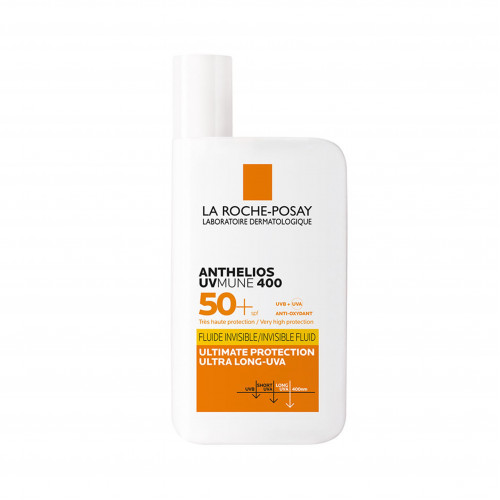
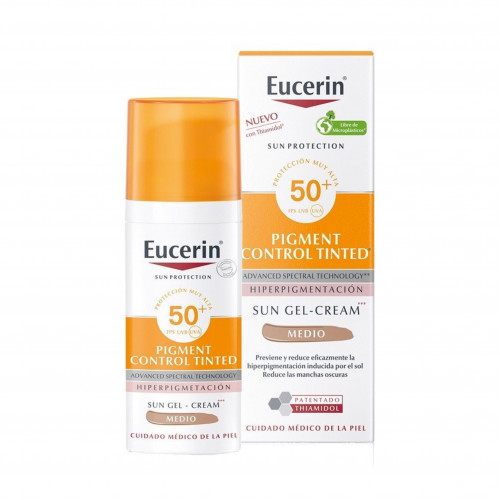
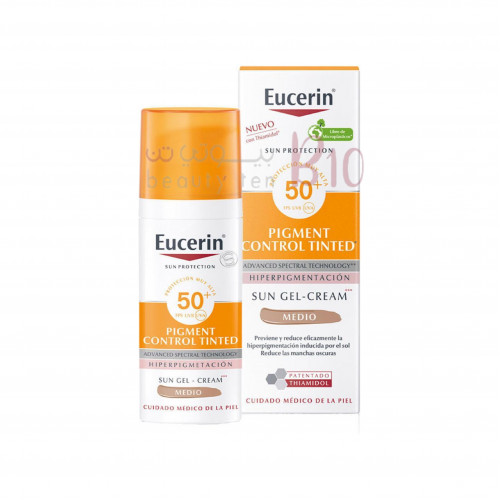
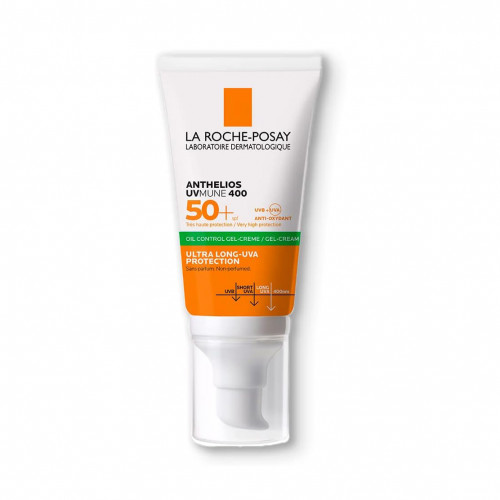
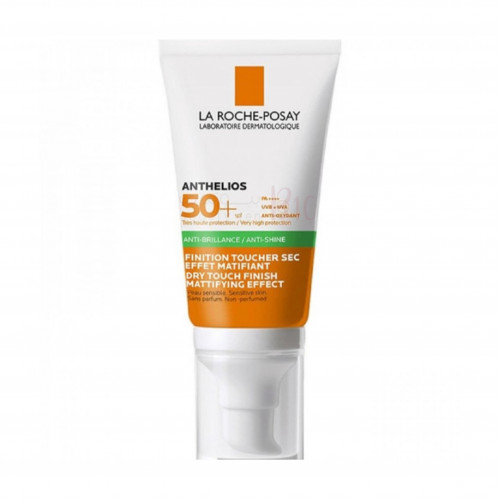
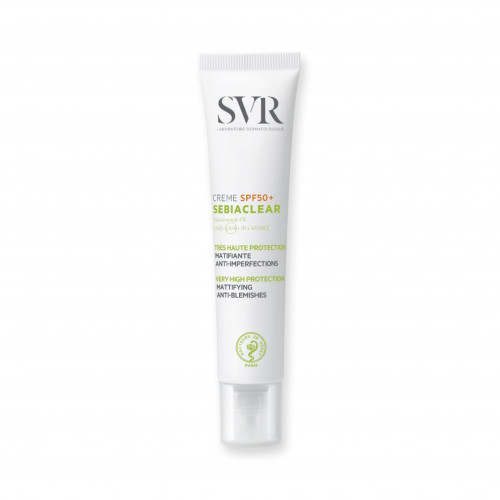
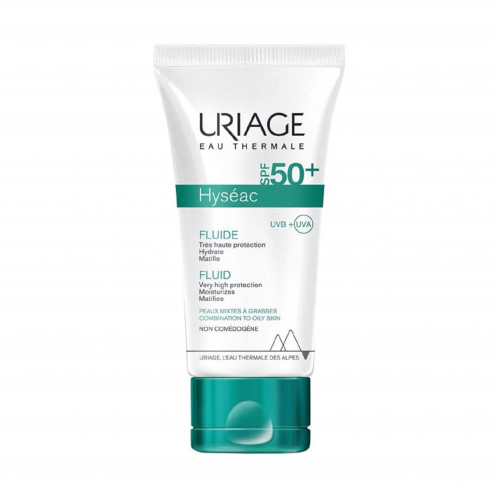
Suitable products for oily skin from Beauty Ten
When choosing sunscreen from the store, products can be compared according to skin type, texture, protection level, and ingredients instead of relying solely on the product name.
Summary
Choosing the best sunscreen for oily skin does not depend solely on a high protection factor, but on how well the formula matches your skin's nature and needs.
If your skin is oily, look for a lightweight, broad-spectrum, non-comedogenic sunscreen that is comfortable for daily use. If your skin combines oiliness with sensitivity, breakouts, or large pores, choose the product based on these specific needs as well.
And the most important rule: The best sunscreen is the one that suits your skin and that you can commit to using daily.

Leave a Comment